Restaurant website design
Turn appetite into a reservation without making people hunt for details.
A restaurant website can feel atmospheric and still answer the practical questions immediately: what the experience is, where it is, when it is open, and how to reserve.
Custom front-end projectFrom $600USD
Restaurant concept · Not client work
Built for
Independent restaurants and hospitality concepts that need an experience more distinctive than a generic booking page.
Common friction
- The visual experience and practical information live on separate pages.
- Menus are difficult to read on mobile.
- Hours, location, and reservation options are inconsistent.
- Private dining and events are buried.
A clearer decision path, built around this buyer.
The service page and concept are matched to the category instead of swapping a keyword into a generic agency page.
Readable menus and clear dietary/context notes
Consistent location, hours, and reservation actions
Visible private-dining and event enquiry paths
A dining room you can almost feel.
Pair cinematic close-ups with concise menu language and repeat the reservation action at natural decision points.
ember.conceptConcept preview
Menu concept state selected.
Wood · smoke · season
Cooked by fire.
Led by the season.
An intimate fictional dining room built around the produce and the heat of the hearth.
- Tue–Thu
- 5:30–10
- Fri–Sat
- 5:30–11
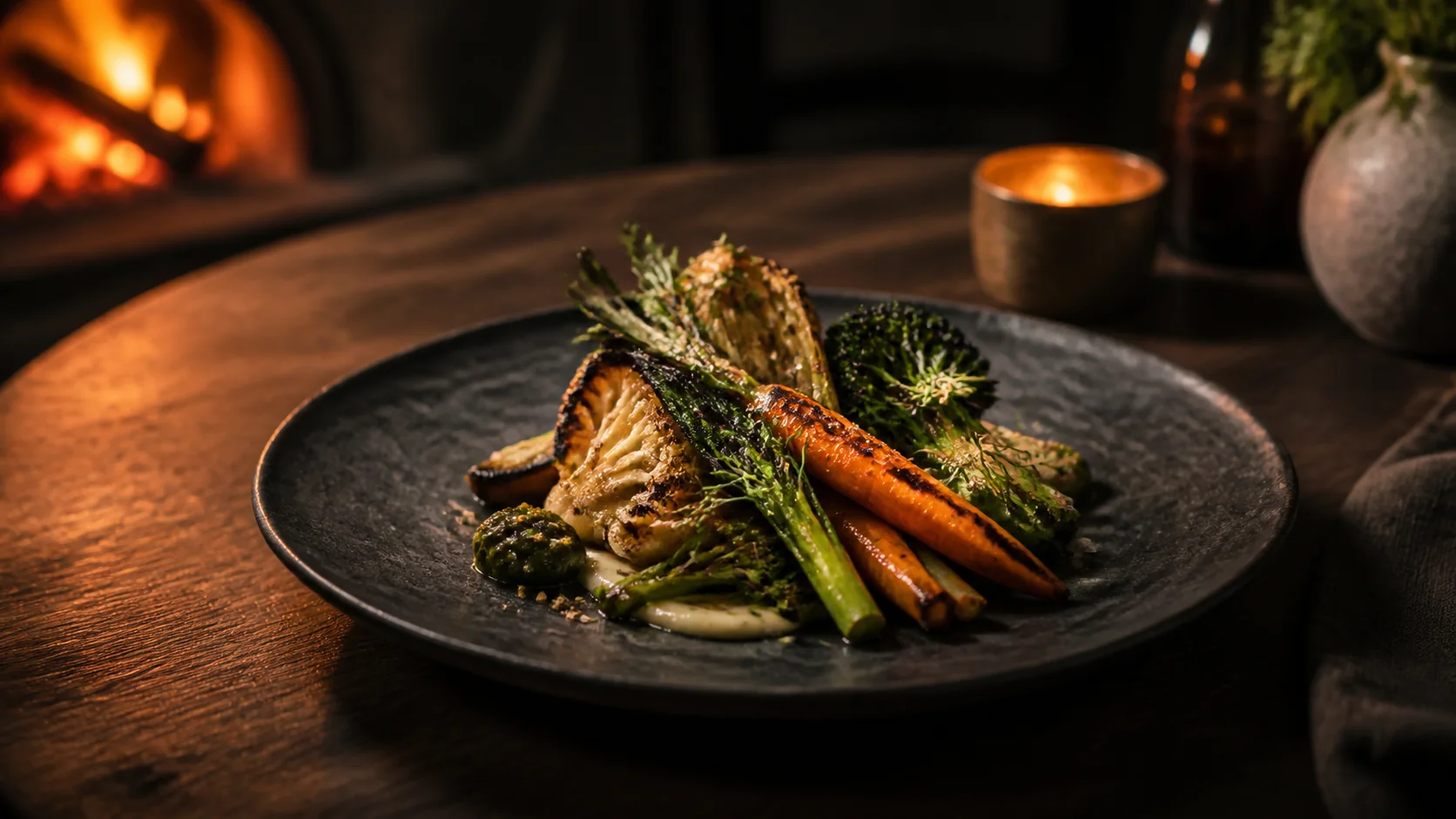 01 / Charred brassica
Build desire quickly while keeping practical details—menu, hours, location, and booking—frictionless.
Explore the full conceptThe right foundation, without implying a giant backend.
The exact page and integration scope is confirmed before the project begins.
Hospitality art direction
Responsive menu system
Location and hours modules
Reservation integration plan
Private-event enquiry
Local search metadata foundation
A deliberate route from context to launch.
Timeline depends on scope and is confirmed before work begins.
- 01Discover
I learn how you actually get customers today — who calls, what they ask first, what makes them choose you, and what your current site is not doing.
- 02Message
We get clear on what the site says first, what makes you the better choice, and the one question every customer asks before they commit.
- 03Plan
Decide which pages you actually need, what goes on each one, and the shortest path from landing on the site to picking up the phone.
- 04Design
You see the real look of your site — colours, type, photos, layout — and approve it before a single page gets built. No surprises later.
- 05Build
The real site gets built and checked on a phone as it goes, because that is where most of your customers will see it.
- 06Check
Every link, every form, every page on phone, tablet and desktop. Loading speed, readability, and the enquiry form tested end to end.
- 07Go live
The site goes onto your own domain and I check the live version myself, not just the preview. Most projects reach this point in 2–3 weeks.
- 08Hand over
You get the site, the files, the enquiry setup and plain-English notes on running it. It is yours — not rented from me.
Signature website
One complete website, from first sketch to live on your own domain.
The pages we agree on, designed and built for your business. What is included, how many rounds of changes you get, and when it goes live are all written down before you pay anything.
Project fee$600USD
- A site designed for your business alone — never a template
- Looks and works right on phones, tablets and desktops
- An enquiry form that reaches your inbox and a private sheet you own
- Every enquiry tagged with where it came from — search, ads, social, referral
- Set up properly for Google from day one
- Fast pages, checked for speed and readability before launch
- Small touches of motion where they help, never where they slow you down
- Put live on your own domain, then checked live — not just in preview
- The site, the files and plain-English notes are yours to keep
- Most sites go live in 2–3 weeks
Questions for this project type
Scope before assumptions.
These answers keep the launch offer useful without pretending every integration is included.
01Can you connect an existing reservation platform?
Yes, when the provider and required flow are confirmed. Reservation-platform fees and account setup remain with the client.
02Can menus be updated?
Yes. The right editing workflow depends on how frequently the menu changes and who will maintain it, so that is agreed during scope.
03Does this include food photography?
The website can use supplied approved photography or separately scoped art direction. Concept imagery is not presented as photography of the real restaurant.